Examining Biometric Sensor Fusion in Wearable Devices That Track Physiological Responses During Prolonged Sessions in Virtual Simulation Communities
Henrik Bennett · Jun 25, 2026
Examining Biometric Sensor Fusion in Wearable Devices That Track Physiological Responses During Prolonged Sessions in Virtual Simulation Communities
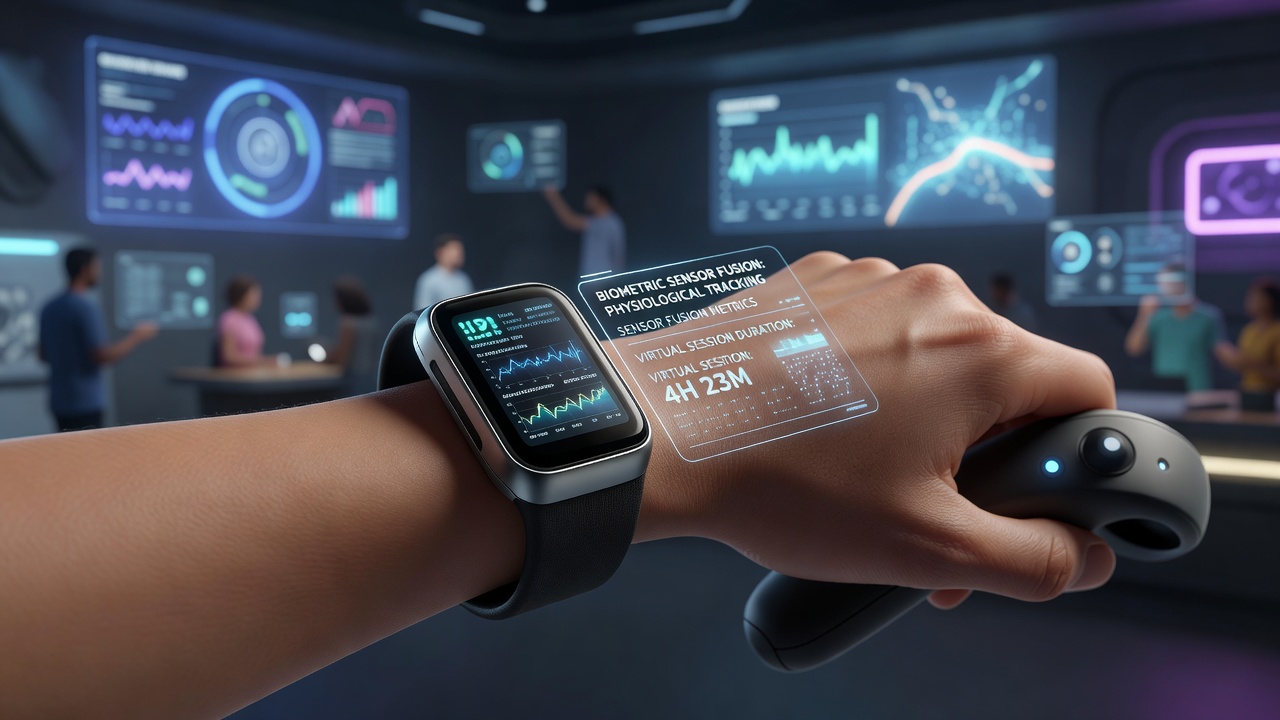
Virtual simulation communities have expanded rapidly since the mid-2020s and participants now spend extended periods immersed in shared digital environments that replicate social interactions, training scenarios, and collaborative projects. Wearable devices equipped with multiple sensors collect heart rate, skin conductance, blood oxygen levels, and movement data to monitor how users respond physiologically over hours of continuous engagement. Sensor fusion combines these streams into unified assessments because individual metrics frequently miss subtle shifts that only appear when data sources interact in real time.
How Sensor Fusion Integrates Multiple Data Streams
Engineers design algorithms that align readings from optical heart rate monitors, electrodermal activity sensors, and inertial measurement units so that a single output reflects both cardiovascular load and emotional arousal. When a user maintains a steady heart rate yet shows rising skin conductance during a complex group simulation, the fused model flags potential stress that isolated sensors overlook. Research teams at institutions across North America and Europe have tested these systems in controlled trials where participants remained in virtual spaces for four to six hours at a stretch.
Processing occurs either on the device itself or through edge nodes that reduce transmission delays, and this approach preserves battery life while delivering updates every few seconds. Observers note that calibration routines adjust for individual baselines because skin thickness and ambient temperature alter sensor accuracy across different users.
Applications in Extended Virtual Sessions
Community platforms use fused biometric data to prompt breaks when elevated readings suggest fatigue or heightened tension, and developers integrate these signals into adaptive environments that adjust lighting, pacing, or task difficulty accordingly. In June 2026 several simulation networks deployed pilot features that dim virtual surroundings when aggregate user data indicated rising collective stress levels. Such adjustments aim to sustain participation without forcing abrupt exits that disrupt ongoing activities.
Training programs within professional simulation communities apply the same technology to track how operators handle sustained high-stakes scenarios, and data logs help refine future session designs. Studies conducted by teams at the University of Melbourne have documented correlations between fused physiological profiles and self-reported immersion scores, showing that consistent sensor agreement predicts longer voluntary session durations.
Technical and Practical Considerations
Accuracy depends on consistent skin contact and proper device placement, so manufacturers incorporate stretchable bands and redundant sensor arrays that maintain readings during natural movement. Privacy frameworks require explicit consent for data sharing because physiological information can reveal health conditions when processed over long periods. Regulatory bodies in Canada and Australia have issued guidelines that classify certain fused outputs as sensitive personal data, prompting encryption standards that meet or exceed those used in medical wearables.
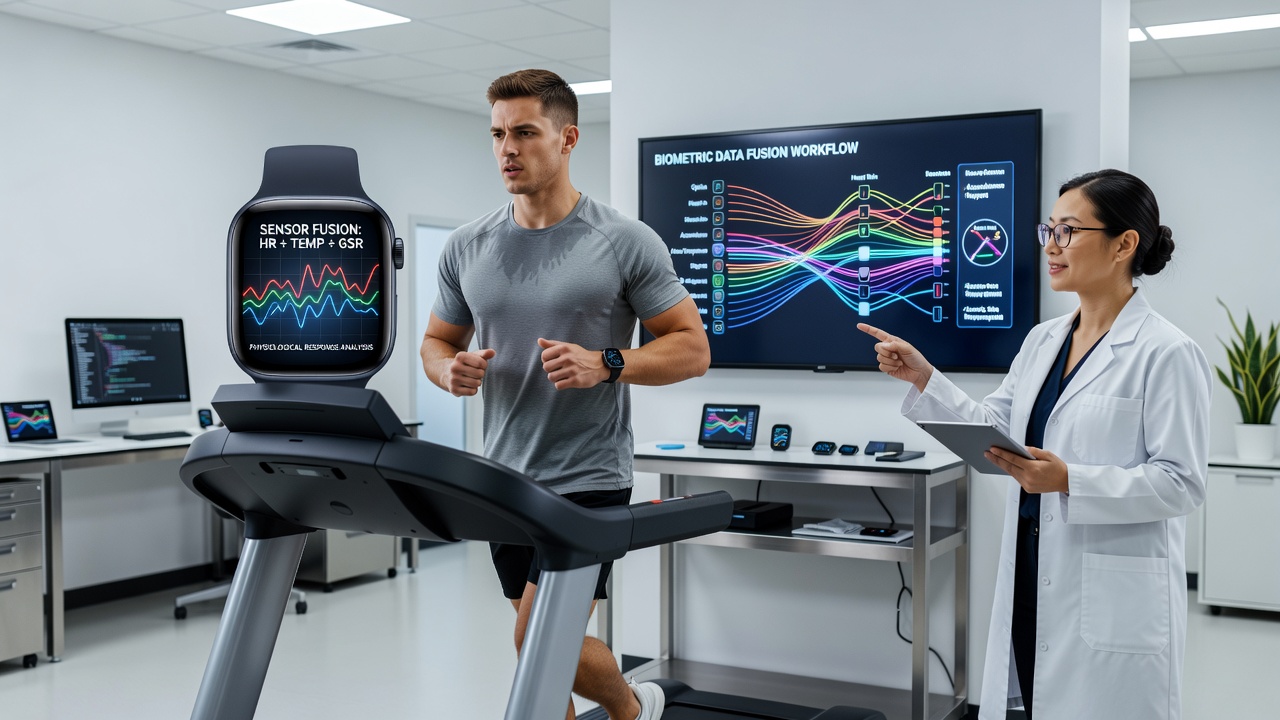
Power management remains a constraint because continuous multi-sensor operation drains smaller batteries faster than single-metric tracking, and developers respond with duty-cycling techniques that activate secondary sensors only when primary signals exceed preset thresholds. Interoperability standards emerging from industry consortia allow devices from different vendors to feed compatible data streams into the same fusion engine, which broadens adoption across diverse user bases.
Current Developments and Data Trends
Figures released by research networks indicate that average session lengths in major virtual communities increased by roughly 25 percent between 2024 and 2026 among users equipped with fused-sensor wearables. One collaborative project involving institutions in Japan and Germany demonstrated that real-time feedback loops reduced reported discomfort by 18 percent compared with control groups that received no biometric guidance. These outcomes stem from algorithms that weigh recent data more heavily while retaining historical patterns to detect gradual drift.
Hardware refinements continue as new materials improve signal quality during prolonged wear, and software updates refine fusion weights based on aggregated anonymized datasets from thousands of sessions. Community operators report that participants who review their own physiological summaries tend to self-regulate session length more effectively than those without access to such information.
Conclusion
Biometric sensor fusion in wearables provides virtual simulation communities with tools to observe physiological responses across extended periods, and ongoing refinements address accuracy, privacy, and power demands. Data from multiple regions shows measurable effects on session management and user comfort when systems integrate heart rate, conductance, and motion inputs into coherent outputs. As platforms scale these capabilities further, the underlying methods continue to evolve through coordinated efforts among hardware makers, software developers, and research groups worldwide.