Preserving the Past: Archival Methods for Early Online Multiplayer Games Facing Protocol Changes
Jordan Schwarz · May 30, 2026
Preserving the Past: Archival Methods for Early Online Multiplayer Games Facing Protocol Changes
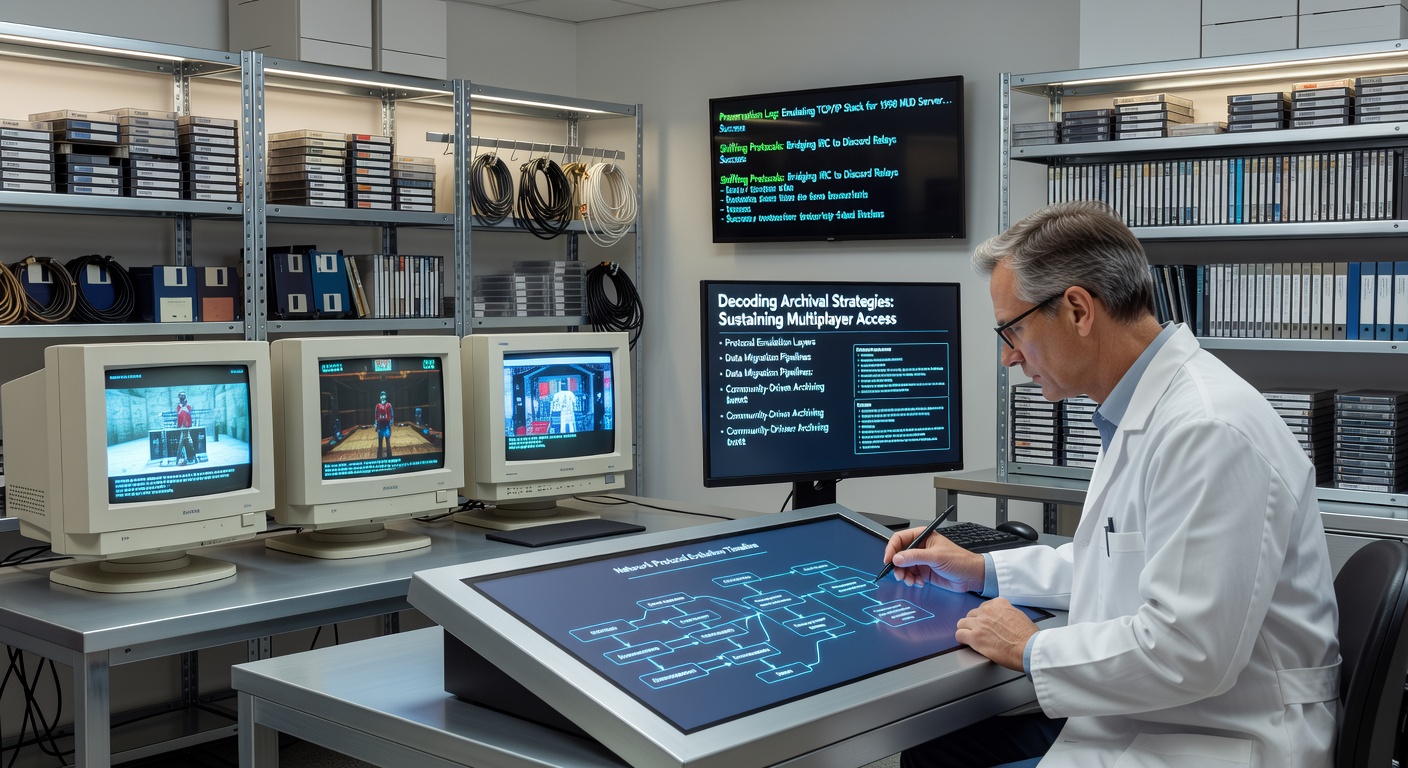
Preservationists tackle the challenge of keeping early internet-based multiplayer games functional as network protocols evolve and older infrastructure becomes incompatible with modern systems. These efforts focus on titles from the 1990s and early 2000s that relied on custom UDP and TCP implementations now largely superseded by updated standards in contemporary networks. Researchers at institutions across North America and Europe document how shifting encryption requirements and address translation methods disrupt direct connections to archived server software. One core approach involves protocol emulation layers that translate legacy packet structures into formats compatible with current operating systems and routers. Teams recreate handshake sequences and data exchange patterns from original game binaries while maintaining the core logic that defined player interactions in those environments. Data from multiple case studies shows this method succeeds when documentation of the original protocol remains available through community archives or leaked developer materials.Reverse Engineering and Community Documentation
Reverse engineering plays a central role when official specifications no longer exist. Groups dissect client executables and server binaries to map out message formats, state machines, and synchronization routines that once operated over dial-up and early broadband connections. Observers note that projects targeting games such as early first-person shooters and persistent world simulators often publish detailed packet captures and opcode lists to support ongoing reconstruction work.
These documentation efforts gain support from academic programs that treat game protocols as historical artifacts worthy of systematic study. A report from the University of Toronto's digital preservation initiatives outlines how students and faculty collaborate on open repositories that catalog protocol behaviors across dozens of discontinued titles. The work emphasizes reproducibility so that future researchers can verify findings without relying on deprecated hardware.
Proxy Systems and Middleware Solutions
Proxy servers sit between modern clients and legacy server instances to handle protocol translation in real time. Developers build middleware that intercepts outgoing packets, rewrites headers and payloads according to updated network rules, and forwards them to preserved server software running in virtualized environments. This technique allows continued access without altering the original game code itself.
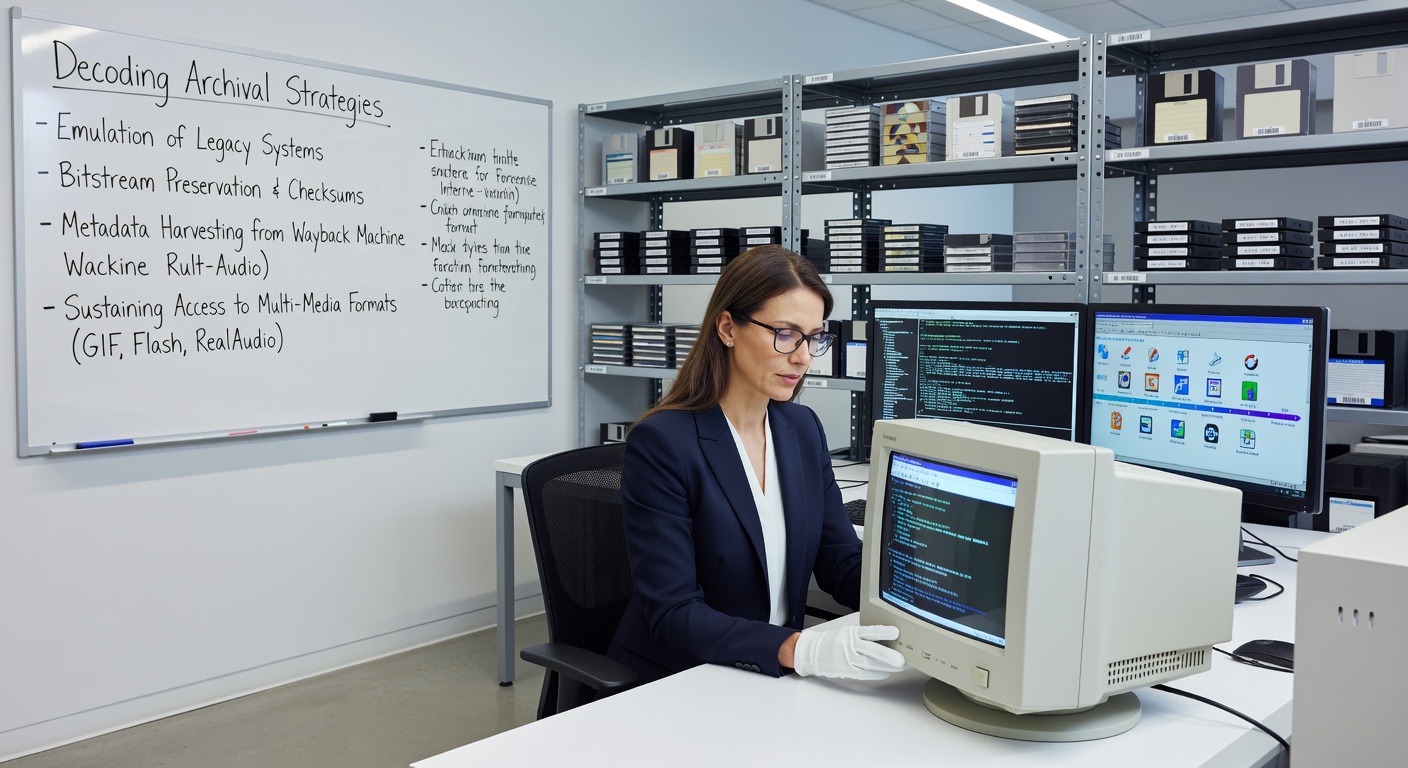
Figures from the National Archives of Australia reveal that government-funded digital heritage programs have funded several proxy-based projects aimed at regional multiplayer servers that operated during the transition from IPv4 to early IPv6 deployments. These initiatives prioritize long-term maintainability by using modular designs that can adapt as further protocol updates occur.
Emulation Environments and Hardware Virtualization
Virtualization platforms recreate the exact hardware and operating system conditions under which original servers ran. Preservationists configure emulated network interfaces to match the timing and bandwidth characteristics of the era, which proves essential for games that incorporated latency-dependent mechanics. As of May 2026, several European research consortia continue to expand libraries of virtual machine images tailored specifically for multiplayer preservation tasks.
Integration with broader digital library systems ensures that both the emulated environments and the translated network layers remain accessible to researchers worldwide. The Library of Congress digital preservation division maintains public documentation on recommended virtualization stacks and regularly updates guidelines based on community feedback from active restoration projects.
Conclusion
Archival strategies for early multiplayer experiences combine protocol emulation, reverse engineering, proxy translation, and virtualization to counteract the effects of network evolution. Coordinated work across academic institutions, government archives, and independent groups sustains access to these historical systems. Continued investment in adaptable middleware and detailed protocol documentation supports future accessibility even as underlying internet standards keep changing.